Luminary OpenZone World Overview
Two kilometers square at full release — half on day one — with climbing, gliding, swimming, and corruption-scaled regions.
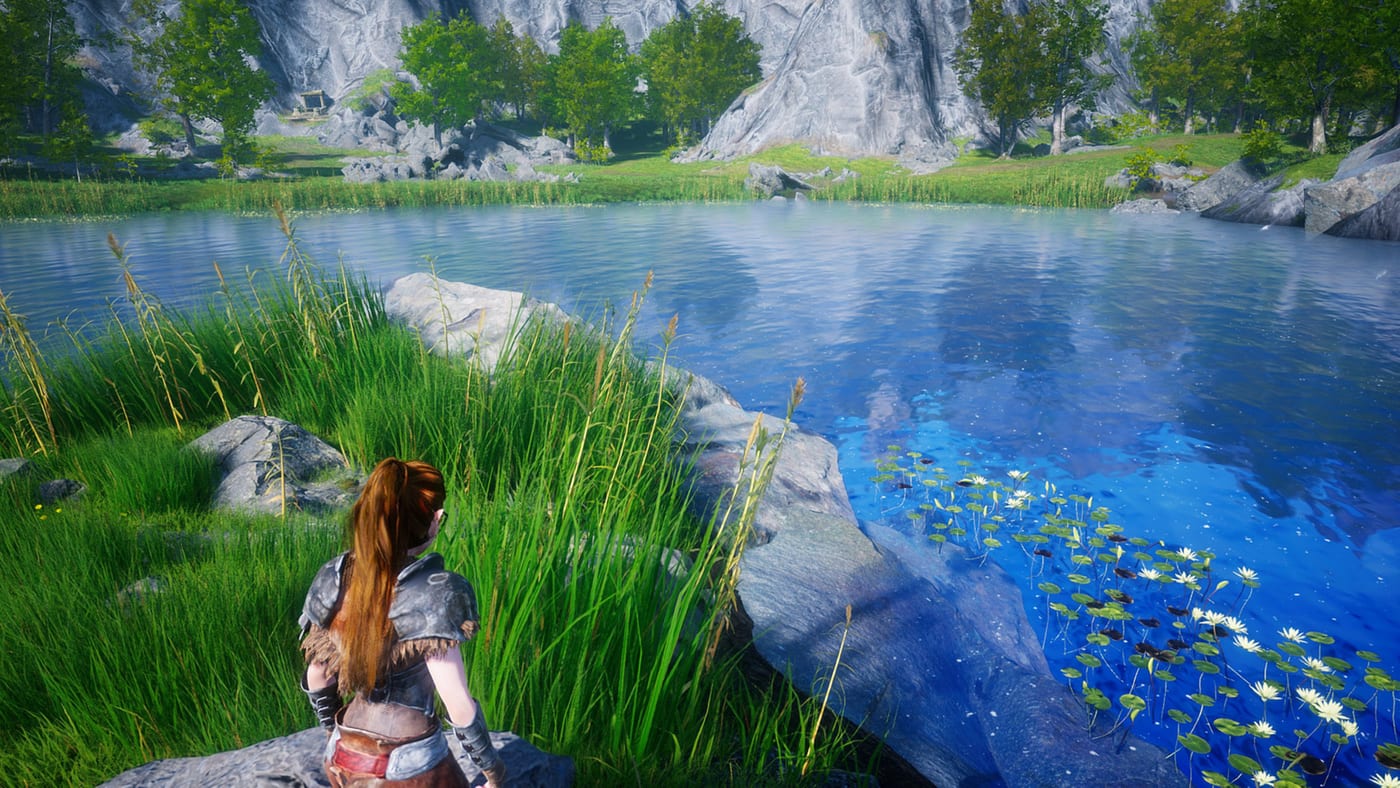
Luminary’s OpenZone is one continuous world: no chapter select, no instanced zone loading between major landmarks. Refractive Entertainment targets roughly two kilometers square at full release — a scale large enough for multi-session exploration but small enough that landmarks stay memorable. Steam Early Access on August 11, 2026 at $19.99 ships about half that geography on day one with the same systems that will fill the back half in later updates. Solo players and three-player online drop-in/drop-out co-op share one map ruleset; corruption, camp respawns, and liberation state follow host world conventions from Shared Progression.
Use this overview before diving into Towers and Life Trees and Camps and Treasures — landmark guides assume you understand fog, traversal, and regional pacing.
Scale and day-one boundaries
Full release plan: ~2 km x 2 km OpenZone. Early Access launch: ~half available, same objective density per square kilometer. Practical impact:
- Campaign conclusion and end boss live inside day-one borders — Tier difficulty activates on familiar geography per Hall of Heroes and Endgame.
- Fogged or blocked frontiers mark future expansion — do not assume missing content is hidden behind optional skill checks.
- Traversal mastery on half map pays off when back-half cliffs and waterways open.
Early Access Roadmap video and Demo Review contextualize Refractive’s update cadence versus demo scope.
Compass layout and navigation habits
OpenZone navigation favors landmark triangulation:
- Hub town — central return point; vendor power from Town Hub.
- Tower silhouettes — visible corruption spires marking regional anchors.
- Life Tree pulses — map markers for rescue objectives reducing ambient debuffs.
- Camp smoke columns — active enemy camps buffing nearby Towers until destroyed.
Keep a personal compass rule: always know which Tower you are drifting toward. OpenZone freedom means you can wander off-level; landmark awareness prevents accidental gear checks three regions away from hub.
Bow players scout from ridgelines per Ranged Build; melee groups follow valley paths with shorter climb requirements from Locomotion Controls.
Fog reveal and map completion
Map fog lifts as you explore, liberate Towers, and rescue Life Trees — not from passive riding alone. Completion percentage ties to:
- Tower liberations
- Life Tree rescues
- Major camp chains cleared
- Optional treasures from Camps and Treasures
100% completion is a long Early Access project; story completion requires fewer landmarks. Decide whether you are a completionist or a Tower-rush group before co-op hosts burn out on satellite camps.
Traversal modes across the OpenZone
Movement is gameplay, not transit:
Climbing — ledges to ore nodes from Mining and Bow vantage points.
Gliding — descent from Towers and cliffs; stamina management matters on long routes.
Swimming — corrupted waterways soften after regional progress; resist meals from Fishing help early dives.
Co-op tethering: faster players should not glider-leave guests behind without ping communication — drop-in etiquette in How Co-op Works.
Regional difficulty curve
Corruption scales outward from active Towers. Typical pattern on day-one half map:
- Starter wedge — tutorial camps, hub-adjacent fishing, first mining nodes.
- Mid compass regions — linked camp chains, first full Tower interior.
- Frontier zones — highest density before fog wall; endboss approach.
Under-geared players feel the curve as longer time-to-kill and harsher ambient ticks — fix at Vendors and Crafting before blaming weapon choice alone.
Session planning by map slice
Short session (30–45 min)
- One camp chain or one Life Tree rescue near hub.
- Deposit loot, one vendor pass, logout.
Medium session (1–2 hours)
- Satellite camp clear plus Tower approach scout.
- Mining or fishing wind-down before hub.
Long session (co-op evening)
- Full Tower liberation with roles from Roles and Party Tips.
- Celebrate vendor recipe unlocks at hub.
World and story framing
Luminary lore casts players as warriors of light pushing back corruption from primal magic surges — Luminaries who must pass light forward or risk becoming Ebonarch tyrants. Map landmarks visualize that struggle: corrupted Towers, wilting Life Trees, enemy camps spreading influence. Tone stays adventure-accessible for family co-op rather than soulslike punishment — see How to Play Luminary for loop context.
Hall of Heroes signup existed pre-launch for legacy tracking; in-game Hall systems expand post-campaign.
Demo world versus Early Access world
Very Positive demo geography compresses distance between landmarks but teaches the same navigation language. Demo ends before full Tower payoffs and half-map frontiers — Getting Started covers transition timing and $19.99 purchase decision support.
When to leave a region
Move compass when current region Towers are liberated, Life Trees saved, and vendor recipes unlocked — or when difficulty spikes signal return to town, not forward push. Cross-read Liberate Towers for combat phase detail beyond geography.
Frequently Asked Questions
Quick answers to the most common Luminary questions.
How large is Luminary's map at full release?
Refractive targets roughly two kilometers square at 1.0. Early Access day one ships about half that area with ongoing expansion planned.
Can I explore the entire map immediately?
Traversal allows wide movement, but corruption scaling and Tower buffs make distant regions dangerous until you upgrade town gear.
How does map fog work?
Fog reveals through exploration, Tower liberations, Life Tree rescues, and major camp clears — not passive travel alone.
What traversal modes exist in the OpenZone?
Climbing, gliding, and swimming connect regions. Locomotion Controls covers binds and stamina habits.
Is the demo map the same as Early Access?
The demo uses a smaller slice with the same landmark types. Early Access adds roughly half the full planned geography.